
Your Own Clean Energy, Installed With Care
Trusted Solar Panel Installers Helping You Make Your Own Electricity and Cut Your Bills
-
1.8m installations
Solar installations across the UK
More than 1.8 million solar installations are now generating clean electricity across the UK.
-
267,000+
Rooftop solar installations in 2025
A record year, with more UK homes and businesses going solar than ever before, 31% more than the previous record.
-
25+ years
Typical solar panel lifespan
Solar panels are built to last, generating electricity for 25 years or more when they’re properly installed and looked after.
Sources: DESNZ solar deployment statistics (installations to May 2025); MCS installation data for 2025. Lifespan varies by product and how the system is maintained.
Get Your Free Quote
Step 1 of 6Thank you!
We’ve received your quote request. A member of the TrueCare team will be in touch soon to talk through your options.
8.28kW Solar & Battery Storage Installation
This homeowner wanted to cut their energy bills and make the most of the electricity their roof could generate. We designed an 8.28kW solar system with battery storage around their home and the way they use energy, and had it fully installed in a single day.
What we installed
- 18 all-black solar panels25 year product warranty and 30 year linear performance warranty
- 5kW EcoFlow PowerOcean hybrid inverterSingle-phase, with a 15 year warranty
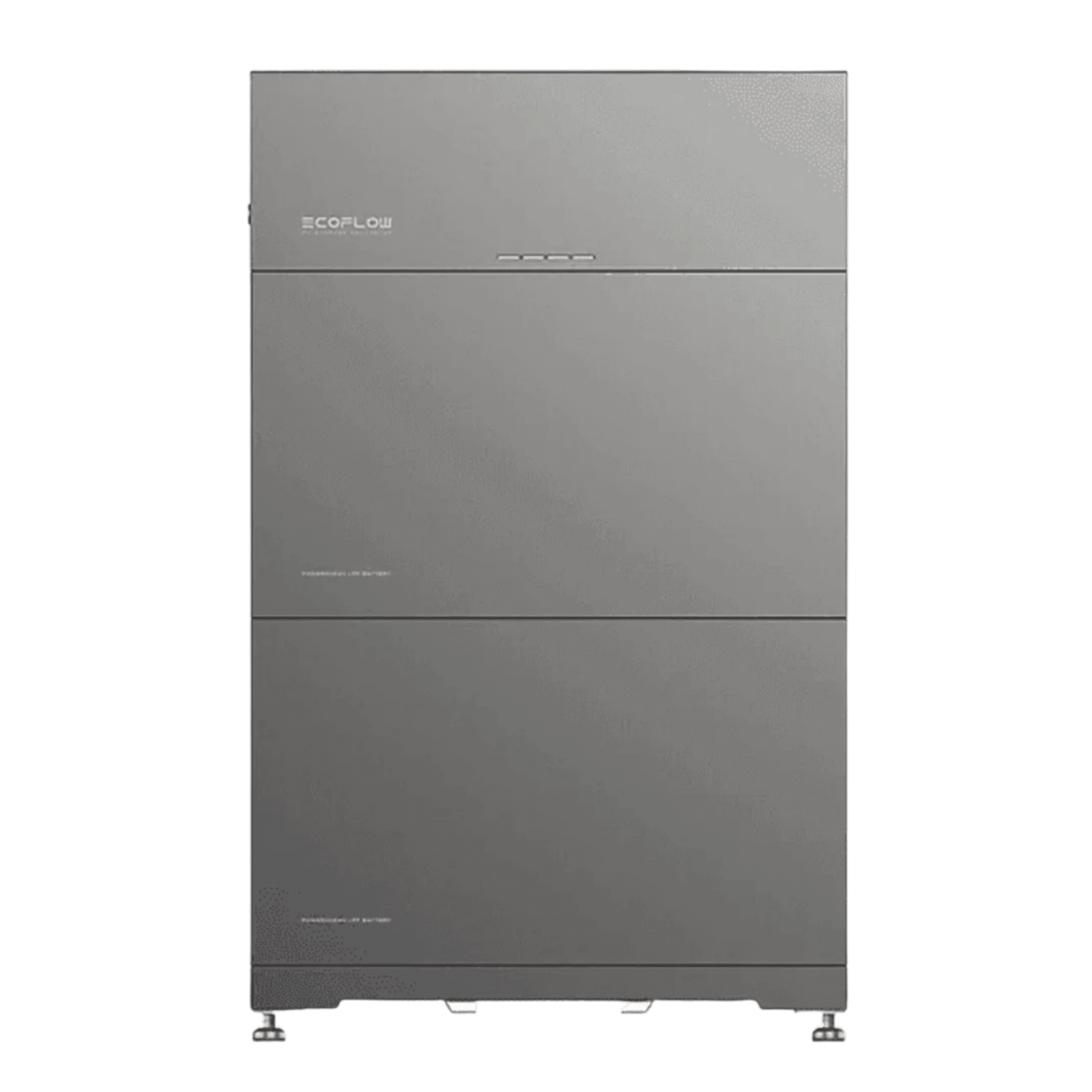
- 5kW EcoFlow PowerOcean battery storageStores daytime solar energy to use in the evening
- Smartphone monitoring appSet up for the customer so they can see their generation, battery and usage at a glance
Earning from the Smart Export Guarantee
- Estimated annual generation7,063 kWh
- Exported to the grid (44%)3,108 kWh
- SEG rate in the proposal£0.16 / kWh
Estimated annual SEG incomeabout £41 a month on average
£497Every home is different. As experienced solar panel installers, we design each system around your roof, your household and how you use energy, so you get the best return from day one.
Get Your Free QuoteAll savings, payback and SEG figures are estimates from the customer’s system proposal. Actual results depend on household usage, weather, energy tariffs and the SEG rate offered by your energy supplier.
Why Homeowners Are Switching to Solar
0% VATVAT-free until 31 March 2027Solar panels enable your home to make its own electricity from daylight. When they’re designed and installed properly, here’s what you can look forward to.
Lower energy bills. Watch your energy bills drop as every unit of electricity your panels make is one you don’t have to buy from the grid. It's free electricity.
Use more of your own power. Add a battery and you can store what you make during the day and use it in the evening.
Get paid for what you don’t use. Through the Smart Export Guarantee, your energy supplier pays you for any surplus electricity you send back to the grid.
More protection over rising prices. The more of your own electricity you use, the less energy price changes affect you. You'll become more self reliant, especially when coupled with battery storage.
A lower carbon footprint. Clean, renewable electricity, made right on your roof.
Works beautifully with your other tech. Solar pairs perfectly with a heat pump or EV charger, helping you run them for less.
0% VAT. Solar panels and batteries for homes are currently VAT-free until 31 March 2027.
How Solar Works, Step by Step
From daylight on your roof to power in your home, here’s what happens to the electricity your panels make, day and night.
-
Step 1
Panels capture
daylightYour solar panels turn daylight into electricity, on bright days and cloudy days alike.
-
Step 2
The inverter
converts itAn inverter turns that electricity into the type your home can actually use.
-
Step 3
It powers
your homeYour lights, appliances and gadgets run on your own free solar electricity first.
-
Step 4 If you have a battery
Spare power
charges your batteryAny electricity you’re not using is stored in your battery, ready for later.
-
Step 5
You get paid
for the extraOnce your battery’s full, or if you don’t have one, extra electricity goes to the grid. Through the Smart Export Guarantee, you’re paid for every unit you export.
-
Evening Step 6
Your battery
powers the eveningWhen it gets dark, your panels stop generating. With a battery, you use the free solar power you stored earlier.
No battery? You’ll use electricity from the grid in the evening, just like any other home.
Your Protection with TrueCare
-
0% VAT
Solar panels and batteries for homes are VAT-free until 31 March 2027.
-
20+ year panel warranty
Your solar panels come with a manufacturer’s warranty of 20 years or more.
-
TrueCare workmanship warranty
Every solar installation is backed by our own workmanship warranty, included as standard.
Add a Battery to Your Solar Panel System
Your solar panels work hardest in the middle of the day, when most homes need the least power. A battery stores that spare energy so you can use it in the evening, instead of buying it from the grid.
- Use more of the energy your panels make
- Rely less on the grid in the evenings
- Can be added to most existing solar systems
Get Paid for Your Excess Solar Energy with the Smart Export Guarantee
Your solar panels often make more electricity than your home can use. Rather than letting it go to waste, the Smart Export Guarantee (SEG) means an energy supplier will pay you for every unit you send back to the grid.
It’s a simple way to earn a little extra from your solar panels, on top of the money you save on your bills, and something a good solar panel installer should talk you through before your system goes in.
Today’s best SEG tariffs
Each energy supplier sets its own rate, so it pays to shop around. These are three of the highest-paying export tariffs in the UK right now that you can join, whoever installed your solar panels.
For homes on an E.ON Next electricity tariff (not including time-of-use tariffs).
View E.ON Next tariffFor homes where EDF also supplies your electricity.
View EDF tariffFor homes where Octopus also supplies your electricity.
View Octopus Energy tariffHappy with your current supplier? Some tariffs are open to everyone, whoever supplies your electricity. The best right now is E.ON Next’s Next Flex Export at 6p per kWh.
What could you earn?
Here’s how much you could earn in a year, depending on how much electricity you export and the rate you’re paid. Your solar panel installer can estimate your export as part of your system design.
| Exported per year | At 6p / kWh | At 12p / kWh | At 13p / kWh |
|---|---|---|---|
| 1,000 kWh | £60£5 a month | £120£10 a month | £130£11 a month |
| 2,000 kWh | £120£10 a month | £240£20 a month | £260£22 a month |
| 3,000 kWh | £180£15 a month | £360£30 a month | £390£32 a month |
A real TrueCare example: one of our 2026 customers has an 8.28kW solar system that’s estimated to export around 3,108 kWh a year. At an SEG rate of 16p per kWh, that’s about £497 a year, or around £41 a month.
What you need to apply
- A solar system in England, Scotland or Wales
- A smart meter that can record what you export
- Your installation certificate from your solar panel installer (most suppliers ask for MCS certification)
- An application to the SEG tariff of your choice
Our top tip
Using your own solar electricity is usually worth more than exporting it, because buying a unit from the grid typically costs more than you’re paid to export one.
That’s why a battery can make such a difference. It stores your spare daytime energy for the evening, and the SEG pays you for whatever’s left. As your solar panel installer, we’ll help you find the right balance for your home.
SEG rates are set by each energy supplier and can change at any time. Tariffs shown are based on published rates as of October 2026, are for homes where that supplier also provides your electricity, and are a guide only, so please check the latest rates and terms with suppliers before you apply. Earnings examples are illustrative; what you earn depends on your system, how much electricity you use and export, and your tariff.
Ask Us Anything
If you can't see your question below, send us a message, we'd be happy to help.
Absolutely. Let’s look at the bigger picture, you’re going to pay for electricity for years to come. Why not invest in solar and make that money work for you?
Instead of buying all your electricity from an energy supplier, solar panels let you generate your own electricity and start saving on your bills from the day they’re installed.
Solar panels typically last around 25 years or more, although performance gradually declines over time. For this example, let’s look at a 20-year period.
For many households, the savings can repay the original cost of their solar system in around seven years. This is known as the payback period. After that, your system has effectively paid for itself, but it can continue generating electricity for years to come.
That could mean around 13 more years of generating your own electricity after you’ve recouped your initial investment.
You can spend 20+ years buying electricity from your energy supplier, or invest in solar today and let your roof help reduce your bills for years to come. It’s an investment that can pay you back long after the initial cost has been covered.
It’s not just about generating electricity today. It’s about making an investment that could keep paying you back long into the future.
The cost of solar panel installation depends on the size of your system, the type of panels, roof access, electrical work and whether you include battery storage. When comparing quotes, check what’s included, including scaffolding, the inverter, warranties and installation.
It’s also important to consider the long-term savings. You’re likely to pay electricity bills for years to come, whether you have solar panels or not. Investing in solar allows you to generate your own electricity and potentially reduce your bills over time.
For independent information about solar costs and savings, visit the Energy Saving Trust. Get a free quote from our trusted team today.
Yes, they don’t require heat to work they require daylight.
Solar panels generate electricity from daylight, even when the sky is cloudy. As long as there’s light, the panels can do their magic. However, they generally produce less electricity in winter because the days are shorter and daylight hours are lesser. Your generation will vary throughout the year, with output typically higher during spring and summer/ longer daylight hours.
A properly designed solar system takes your roof, location and expected annual generation into account.
No. Although south-facing roofs can generate more electricity overall, east- and west-facing roofs can also be suitable for solar panels. The best option depends on your roof’s orientation, pitch, shading and how much electricity you use throughout the day. A professional assessment can help determine the most effective panel layout for your property.
A solar battery stores surplus electricity generated during the day so you can use it later, such as in the evening. This can help you use more of your own solar energy and reduce the amount of electricity you buy from the grid.
Whether a battery is worth the additional investment depends on your household’s energy usage, the size of your solar system, your electricity tariff and the battery’s capacity. If you already have solar panels, you may also be able to add a compatible battery later.
Most domestic solar panel installations in England do not require planning permission, as they usually fall under permitted development rights. However, exceptions can apply to listed buildings, conservation areas and installations that don’t meet the relevant requirements. A knowledgeable solar panel installer can help you understand the requirements for your property and advise you on the next steps. You should always check any restrictions that apply before installation.
Most domestic solar panel installations take around one to two days, although larger or more complex projects may take longer. The timescale depends on the number of panels, roof access, electrical work and whether battery storage is being installed at the same time. Your solar panel installer should explain the expected timescale, prepare your property for installation and let you know what to expect before work begins.
The number of solar panels you need depends on your household’s electricity usage, available roof space and how much electricity you want to generate. A larger system can generate more electricity, but the best option is one designed around your needs. A professional solar panel installer will assess your roof and energy usage to recommend a suitable system size.
In the UK, rainfall usually does most of the work for you, washing away everyday dust and pollen on standard-pitched roofs. That said, an annual solar panel cleaning is worth it if you’re near a busy road, farmland, or an industrial site, under trees where sap and droppings build up, or have a low-pitch or flat roof where rain doesn’t run off as effectively.
If any of these apply to you, a clean every couple of years helps maximise your savings by keeping your panels generating at their full potential rather than losing output to a build-up you can’t always see. At TrueCare we offer Solar Panel cleaning here.
Yes. Solar panels can help power a heat pump or charge an electric vehicle, reducing the amount of electricity you need to buy from the grid. How much you save depends on when your panels generate electricity, when you use it and whether you have battery storage. Combining solar panels with other renewable technologies can be a useful way to make more of your own electricity at home.
Generating your own electricity with solar? power your heating system too
Upgrade to a heat pump with up to £9,000 government grants available for UK homeowners.